The Culinary Mastery of Chicken: Essential Techniques, Flavor Mechanics, and Global Recipes
Across almost every culinary culture on Earth, chicken remains the ultimate universal protein. Revered for its affordability, lean nutritional profile, and neutral flavor base, chicken adapts effortlessly to high-heat roasting, gentle poaching, fragrant frying, and slow braising. However, because chicken meat is exceptionally lean—particularly poultry breast meat—it is easily prone to overcooking, resulting in dry, stringy, and uninspiring meals.
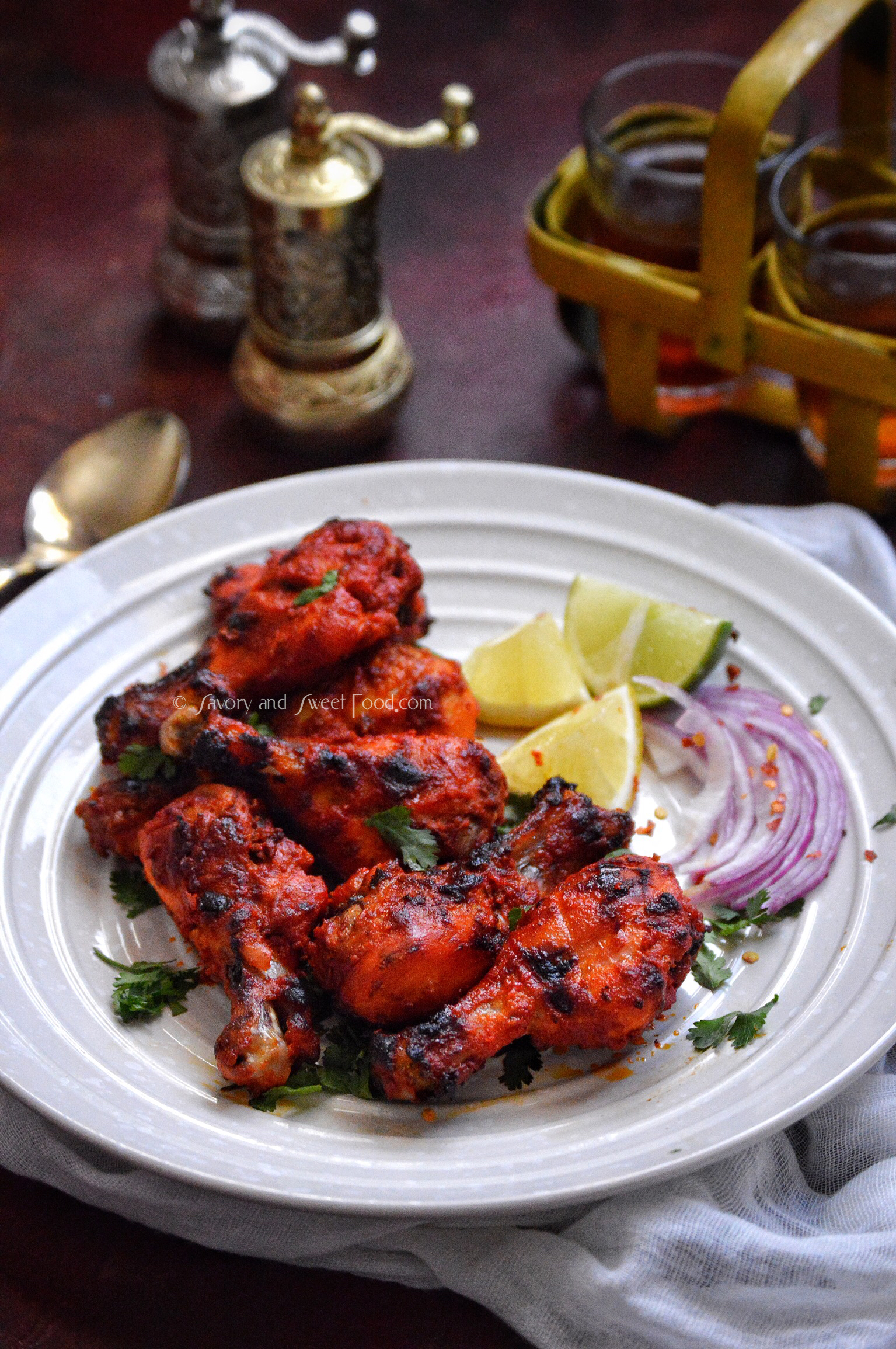
Mastering chicken recipes requires moving beyond simple seasoning mixes. By understanding poultry anatomy, moisture preservation techniques, thermal science, and global flavor pairing principles, home cooks can consistently transform raw poultry into succulent, restaurant-quality dishes.
1. Poultry Anatomy and Moisture Dynamics: White Meat versus Dark Meat
To execute exceptional chicken recipes, one must first recognize that a whole chicken is comprised of two distinct types of muscle tissue, each requiring different thermal treatments to achieve optimal texture and juiciness.
Navigating the structural differences between cuts dictates cooking strategy:
- White Meat (Breasts and