The smoothie has evolved from a simple health-food trend into a cornerstone of modern nutrition. For the busy professional, the active athlete, or the parent on the go, the smoothie offers a rare combination of convenience and concentrated nourishment. At its best, a smoothie is a liquid meal that can provide fiber, vitamins, minerals, and protein in a single, portable glass. However, many people find themselves stuck in a “banana and strawberry” rut or, worse, creating sugar-heavy drinks that lead to a mid-morning energy crash.
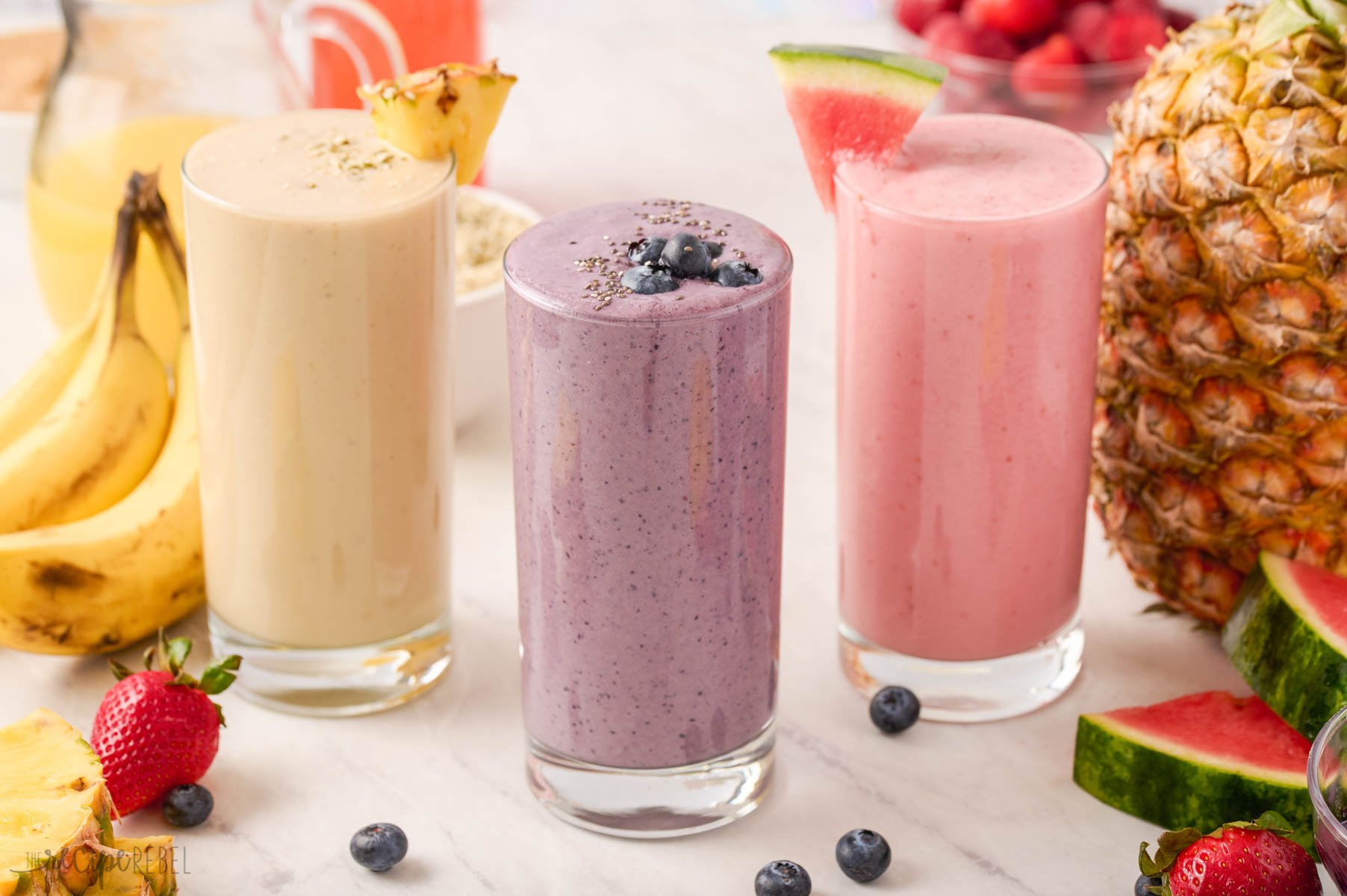
Mastering the art of the smoothie requires understanding the balance between flavor, texture, and nutritional density. By learning a few fundamental methods and creative combinations, you can turn your blender into your most valuable kitchen asset.
The Architecture of the Perfect Smoothie
Before diving into specific recipes, it is essential to understand the “building block” method. A truly satisfying smoothie follows a specific structural formula that ensures it is creamy rather than icy, and filling rather than just sweet.
First, you need a liquid base. Water is the simplest choice, but unsweetened almond milk, coconut water, or oat milk add creaminess and subtle flavor. Second, you need a “thickener.” Frozen fruit is the gold standard here because it chills the drink without diluting the flavor like ice cubes do. Bananas provide a velvety texture, while frozen mango or avocado adds a rich, buttery consistency.
Third, you should include a protein and a healthy fat. This is the “secret” to making a smoothie that keeps you full until your next meal. A spoonful of almond butter, a scoop of Greek yogurt, or a tablespoon of chia seeds can significantly lower the glycemic index of the drink, preventing blood sugar spikes. Finally, don’t forget the “boosters”—ingredients like spinach, kale, ginger, or turmeric that add a nutritional punch without drastically changing the flavor.
The Green Goddess: A Refreshing Start
Many people are intimidated by green smoothies, fearing they will taste like liquid grass. The key to a successful green smoothie is the ratio of greens to fruit. A safe starting point is the 60/40 rule: 60% fruit and 40% leafy greens.
A fantastic introductory recipe involves two handfuls of fresh spinach, one cup of frozen pineapple, half a green apple, and a squeeze of lime juice, all blended with coconut water. The acidity of the pineapple and lime cuts through the earthiness of the spinach, creating a drink that tastes tropical and bright. As your palate adjusts, you can swap spinach for hardier greens like kale or Swiss chard, or increase the ratio of vegetables by adding frozen cauliflower, which adds creaminess without any added sugar or flavor.
The Berry Antioxidant Blast
Berries are nutritional powerhouses, packed with antioxidants and fiber while being relatively low in sugar. A berry-focused smoothie is an excellent choice for post-workout recovery or a light afternoon snack.
To create a balanced berry smoothie, combine one cup of mixed frozen berries (blueberries, raspberries, and blackberries) with a tablespoon of ground flaxseeds and a scoop of vanilla protein powder. For the liquid base, use unsweetened soy or pea milk to boost the protein content further. To add depth to the flavor, add a pinch of cinnamon or a drop of pure vanilla extract. The result is a vibrant, purple-hued drink that feels indulgent but is actually a targeted strike of nutrition for your cells.
The Creamy Nut Butter and Cacao Treat
Sometimes, you want a smoothie that feels like a dessert but performs like a meal. This is where the combination of chocolate and nut butter shines. By using raw cacao powder instead of processed cocoa, you gain access to high levels of magnesium and flavonoids.
A crowd-favorite method involves blending one frozen banana, a tablespoon of peanut or cashew butter, one tablespoon of raw cacao powder, and a pinch of sea salt with a cup of unsweetened almond milk. The salt is crucial as it enhances the chocolate flavor and balances the sweetness of the banana. To make this even more filling, you can add a quarter cup of rolled oats. This creates a “smoothie bowl” consistency that is perfect for topping with sliced nuts or hemp hearts.
Essential Methods for Success
Even with the best ingredients, the technique matters. To ensure your blender doesn’t struggle and your smoothie is perfectly smooth, follow these mechanical tips:
- Order of Operations: Always place your liquids in the blender first. Follow with your powders and nut butters, then fresh produce, and finally, the frozen items on top. This creates a “vortex” that pulls the heavy, frozen ingredients down into the blades, ensuring a consistent blend without air pockets.
- The “Pulse” Technique: Start on the lowest speed to break up the large frozen chunks, then gradually increase to high speed. This protects your blender’s motor and results in a smoother finish.
- Prep Ahead: If you find mornings too hectic, use the “smoothie pack” method. Portion out your fruits, greens, and boosters into reusable bags and store them in the freezer. In the morning, all you have to do is dump the bag into the blender and add your liquid.
Conclusion
Smoothies are a canvas for your nutritional needs and culinary creativity. They offer a rare opportunity to consume several servings of fruits and vegetables before your workday has even fully begun. By focusing on the balance of healthy fats, proteins, and fiber, and experimenting with various bases and “boosters,” you can move beyond boring recipes and create drinks that truly energize your body.
Remember that the best smoothie is the one you actually enjoy drinking. Don’t be afraid to experiment with unusual ingredients like frozen zucchini, fresh basil, or a pinch of cayenne pepper. With a high-quality blender and a bit of imagination, you can master the simple art of the smoothie and make a significant investment in your long-term health, one glass at a time.