Across almost every culinary culture on Earth, chicken remains the ultimate universal protein. Revered for its affordability, lean nutritional profile, and neutral flavor base, chicken adapts effortlessly to high-heat roasting, gentle poaching, fragrant frying, and slow braising. However, because chicken meat is exceptionally lean—particularly poultry breast meat—it is easily prone to overcooking, resulting in dry, stringy, and uninspiring meals.
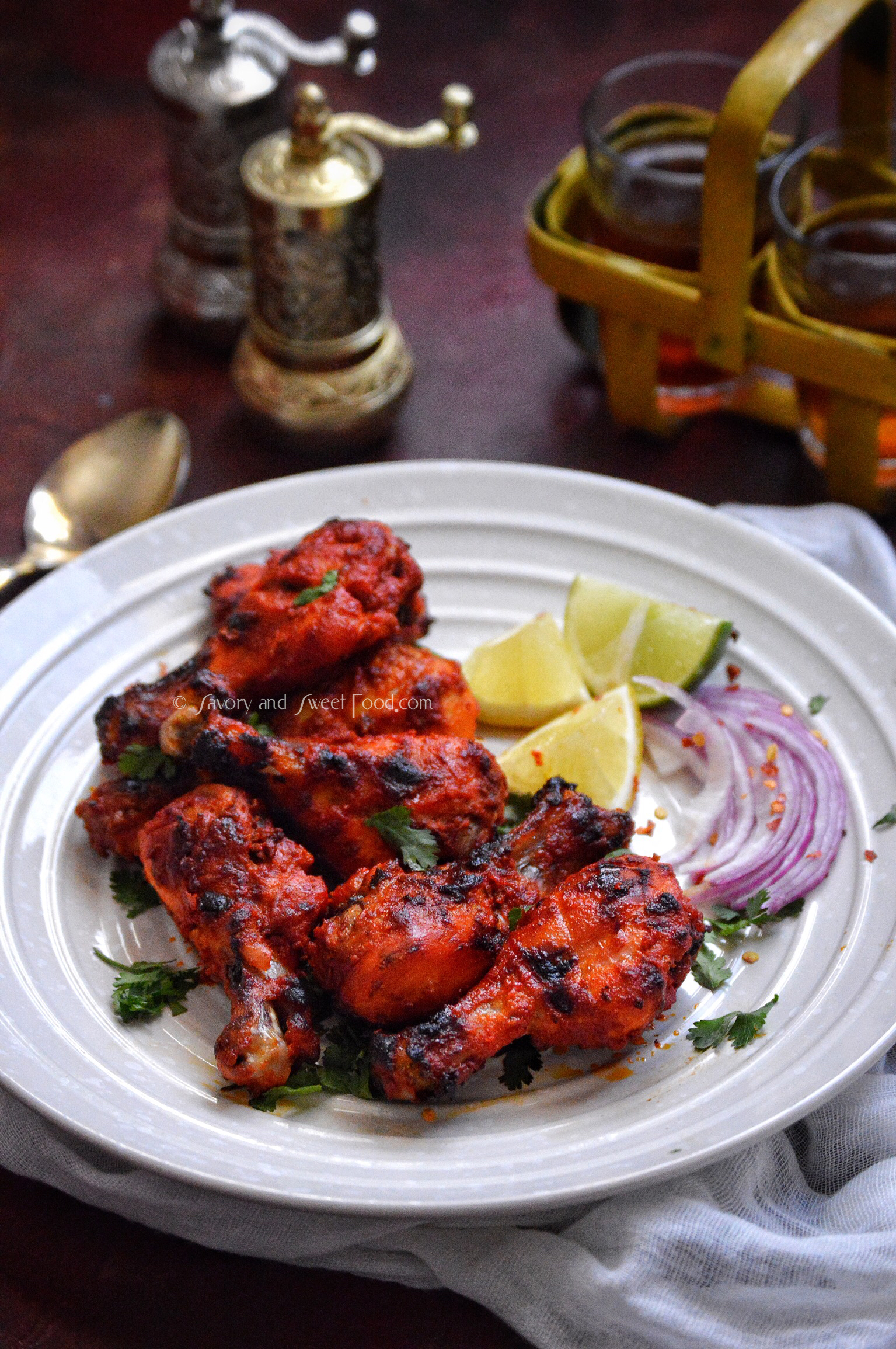
Mastering chicken recipes requires moving beyond simple seasoning mixes. By understanding poultry anatomy, moisture preservation techniques, thermal science, and global flavor pairing principles, home cooks can consistently transform raw poultry into succulent, restaurant-quality dishes.
1. Poultry Anatomy and Moisture Dynamics: White Meat versus Dark Meat
To execute exceptional chicken recipes, one must first recognize that a whole chicken is comprised of two distinct types of muscle tissue, each requiring different thermal treatments to achieve optimal texture and juiciness.
Navigating the structural differences between cuts dictates cooking strategy:
- White Meat (Breasts and Wings): Chicken breast consists of fast-twitch muscle fibers with minimal intramuscular fat and collagen. Because it lacks connective tissue, white meat cooks rapidly and loses moisture quickly if exposed to high heat past its target temperature. White meat is best suited for quick searing, pan-roasting, or gentle poaching.
- Dark Meat (Thighs, Drumsticks, and Legs): Dark meat contains slow-twitch muscle fibers richer in myoglobin, fat, and tough collagen. To make dark meat tender, it requires higher internal temperatures and longer cooking times to break down collagen into gelatin, which coats muscle fibers and creates a rich, succulent mouthfeel. Dark meat excels in stews, braises, and high-heat roasting.
- Skin Management: Poultry skin contains high concentrations of subcutaneous fat. Rendering this fat slowly over medium heat or drying the skin thoroughly prior to high-heat roasting produces a crispy, golden crust through the Maillard reaction.
2. Advanced Prep Techniques: Brining, Marinating, and Dry-Salting
Proper preparation begins hours before heat touches the pan. Utilizing chemical and physical marination methods significantly enhances moisture retention, structural tenderness, and flavor penetration.
Effective pre-cooking strategies include:
- Wet Brining versus Dry Brining: Wet brining involves submerging chicken in a salt and water solution (typically a 6% salinity concentration), allowing osmotic pressure to draw water into muscle tissues. Dry brining—rubbing coarse kosher salt directly onto the skin and resting the meat uncovered in the refrigerator—draws natural juices out, dissolves the salt, and reabsorbs it, concentrating natural chicken flavor while drying out the skin for superior crispiness.
- Acidic and Enzymatic Marinades: Incorporating mild acids (such as buttermilk, lemon juice, or yogurt) or natural fruit enzymes (found in pineapple or papaya) breaks down surface proteins, yielding tender meat. Yogurt-based marinades are particularly effective in high-heat roasting as dairy proteins form a rich, charred crust.
- Spike and Slash Techniques: For thicker cuts like bone-in thighs or whole breasts, scoring the surface allows marinades and spice rubs to penetrate deep into the meat, ensuring even flavor distribution.
3. Global Recipe Concepts: Elevating Daily Chicken Dinners
Chicken serves as a versatile blank canvas that seamlessly absorbs vibrant global spices, fresh herbs, citrus acids, and aromatic umami sauces.
Broaden your kitchen repertoire with these distinct regional preparations:
- Crispy Pan-Seared Chicken Piccata: Dredge thin chicken cutlets lightly in seasoned flour and sear rapidly in butter and olive oil. Deglaze the hot skillet with dry white wine, freshly squeezed lemon juice, capers, and cold butter, creating a glossy, emulsified pan sauce that coats the crispy chicken cutlets.
- Aromatic Indian Butter Chicken (Murgh Makhani): Marinate boneless chicken thighs in a mixture of Greek yogurt, garam masala, ground cumin, turmeric, and minced garlic. Roast the chicken at high heat to achieve light charring, then simmer the meat in a rich sauce made from blended tomatoes, heavy cream, butter, and fragrant whole spices.
- French Coq au Vin (Classic Braised Chicken): Brown bone-in, skin-on chicken legs and thighs in rendered bacon fat. Braise the poultry slowly alongside pearl onions, cremini mushrooms, fresh thyme, and crushed garlic in a full-bodied red wine reduction until the meat pulls effortlessly from the bone.
4. Food Safety, Thermal Precision, and Storage Guidelines
Achieving perfect texture while adhering to strict food safety standards relies entirely on accurate temperature measurement rather than visual estimation or timer countdowns.
Follow these fundamental poultry safety standards:
- Investing in Digital Thermometers: Always measure doneness using an instant-read digital probe thermometer inserted into the thickest part of the meat, avoiding direct contact with bones.
- Safe Target Internal Temperatures: Remove chicken breasts from the heat source when they reach 71°C (160°F), allowing residual carryover cooking to push the final temperature to 74°C (165°F). Dark meat cuts (thighs and legs) taste significantly better when cooked to 80°C–85°C (175°F–185°F), which allows tough connective tissue to fully melt into gelatin.
- Resting Periods and Cross-Contamination: Always allow cooked chicken to rest on a warm plate for five to ten minutes before slicing to allow internal juices to redistribute throughout the muscle fibers. Never wash raw poultry under running water, as this splashes harmful bacteria across kitchen surfaces.
Conclusion
Mastering chicken recipes is one of the most rewarding milestones for any home cook. By respecting the anatomical differences between white and dark meat, utilizing dry-brining for crispy skin, and cooking with precise thermal control, you eliminate dry, bland meals from your repertoire forever.
Whether executing a rapid pan-seared cutlet for a quick weeknight dinner or braising a rich poultry stew for a weekend gathering, understanding the foundational science behind cooking chicken allows you to prepare delicious, memorable meals with complete confidence.