There is something profoundly primal and deeply satisfying about the smell of fresh bread baking in an oven. For thousands of years, bread has been the “staff of life,” a humble combination of flour, water, salt, and yeast that has sustained civilizations. Yet, despite its simplicity, making the perfect loaf is often seen as a daunting task reserved for professional bakers or those with mysterious culinary secrets.
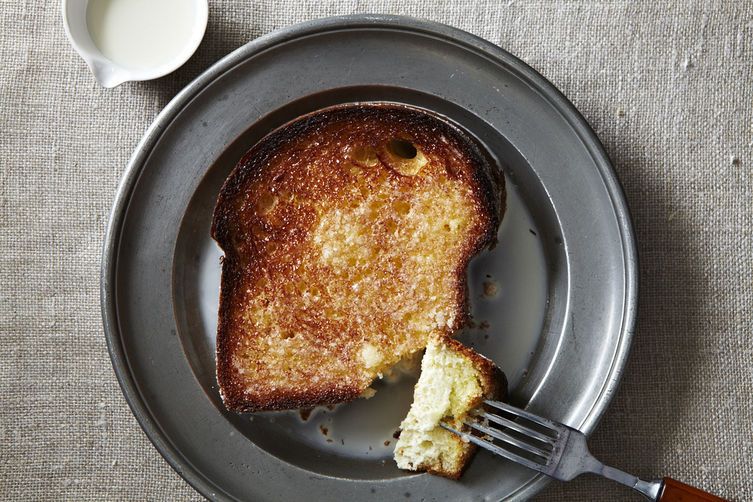
The truth is that making exceptional bread at home is accessible to anyone willing to understand a few fundamental techniques. Whether you are looking for a quick weekday loaf or a complex, crusty sourdough, knowing the best methods can transform your kitchen into a world-class bakery. This guide explores the most effective ways to master the art of bread making.
The Precision of the Scale: Weights over Volumes
If you want to move from “decent” bread to “perfect” bread, the first step is to stop using measuring cups. Flour is notoriously difficult to measure by volume because it can be packed down or aerated, leading to variations of up to 20% in the amount you actually use. This inconsistency is the primary reason why dough often ends up too dry or too sticky.
Professional bakers use “Baker’s Percentages” and measure everything in grams. By using a digital scale, you ensure that every loaf you bake is consistent. A standard loaf usually thrives at a hydration level of about 60% to 70% (meaning the weight of the water is 60-70% of the weight of the flour). Understanding this ratio is the “secret” to controlling the texture and crumb of your bread.
The Power of Time: The No-Knead Method
One of the best ways to make incredible bread with minimal effort is the “No-Knead” method, popularized by Jim Lahey. Many beginners struggle with kneading—they either under-work the dough, resulting in a flat loaf, or over-work it until it becomes tough.
The No-Knead method uses time instead of muscle to develop gluten. By mixing a very wet dough and letting it sit for 12 to 18 hours at room temperature, the enzymes in the flour naturally align the gluten strands. This slow fermentation not only creates a beautiful, airy structure but also develops a complex, nutty flavor that quick-rise breads simply cannot match. If you are new to baking, this is arguably the most foolproof way to achieve a professional-looking crust and crumb.
Temperature Control: The Invisible Ingredient
Temperature is perhaps the most overlooked variable in bread making. Yeast is a living organism, and its activity is dictated by the warmth of its environment. If your water is too hot (above 120°F or 49°C), you risk killing the yeast. If it is too cold, the fermentation will be sluggish and the bread won’t rise properly.
Ideally, you want your dough to maintain a temperature of around 75°F to 78°F (24°C to 26°C) during the bulk fermentation stage. Additionally, the temperature of your oven is crucial. Most home ovens aren’t as hot as professional deck ovens. To compensate, many experts recommend using a Dutch oven. By baking your bread inside a preheated heavy pot with a lid, you trap the steam escaping from the dough. This steam keeps the “skin” of the dough soft, allowing it to expand fully (oven spring) before creating that coveted, crackly, golden-brown crust.
The Sourdough Journey: Cultivating Wild Yeast
For those looking for the absolute peak of bread making, the sourdough method is the gold standard. Unlike commercial yeast, which provides a fast and predictable rise, sourdough relies on a “starter”—a fermented mixture of flour and water that captures wild yeast and beneficial bacteria from the air and the grain itself.
The best way to succeed with sourdough is consistency in “feeding” your starter. This method requires more patience and a deeper understanding of dough handling, such as “folding” instead of traditional kneading. The lactic acid produced during the long fermentation process gives the bread its signature tangy flavor and makes it easier for many people to digest. While it takes longer to master, the depth of flavor in a sourdough loaf is incomparable to any other method.
Proper Shaping and Proofing
Even the best dough can fail if it isn’t shaped correctly. Shaping is about creating “surface tension.” By tucking the edges of the dough under itself and pulling it across a clean counter, you create a tight outer skin. This tension helps the bread hold its shape and grow upward in the oven rather than spreading out into a pancake.
After shaping comes the “proof,” or the final rise. A common mistake is over-proofing, where the yeast exhausts its energy and the structure collapses. You can test this using the “poke test.” Gently press your finger into the dough; if it springs back slowly and leaves a small indentation, it is ready for the oven. If it snaps back instantly, it needs more time. If the indentation stays and the dough feels deflated, it is over-proofed.
Conclusion
Mastering bread is not about following a single recipe, but about understanding the variables of hydration, fermentation, and heat. Whether you choose the slow elegance of a sourdough starter, the scientific precision of the scale, or the effortless magic of the no-knead method, the “best” way is the one that fits your lifestyle and your taste.
By focusing on high-quality ingredients and practicing patience, you can move beyond the supermarket aisles and create something truly exceptional in your own kitchen. Bread making is a lifelong journey of learning, and there is no better reward than slicing into a warm, crusty loaf that you crafted with your own hands. Happy baking!