For decades, beef has stood as the centerpiece of the dinner table, celebrated as a symbol of strength and culinary luxury. However, as dietary trends shift and nutritional science evolves, the conversation around beef has become increasingly complex. FromFor decades, beef has stood as the centerpiece of the dinner table, celebrated as a symbol of strength and culinary luxurycxFor decades, beef has stood as the centerpiece of the dinner table, celebrated as a symbol of strength and culinary luxurycxFor decades, beef has stood as the centerpiece of the dinner table, celebrated as a symbol of strength and culinary luxurycx concerns about saturated fats to the debate over grass-fed versus grain-fed varieties, consumers are often left wondering how to integrate this protein into a balanced lifestyle.
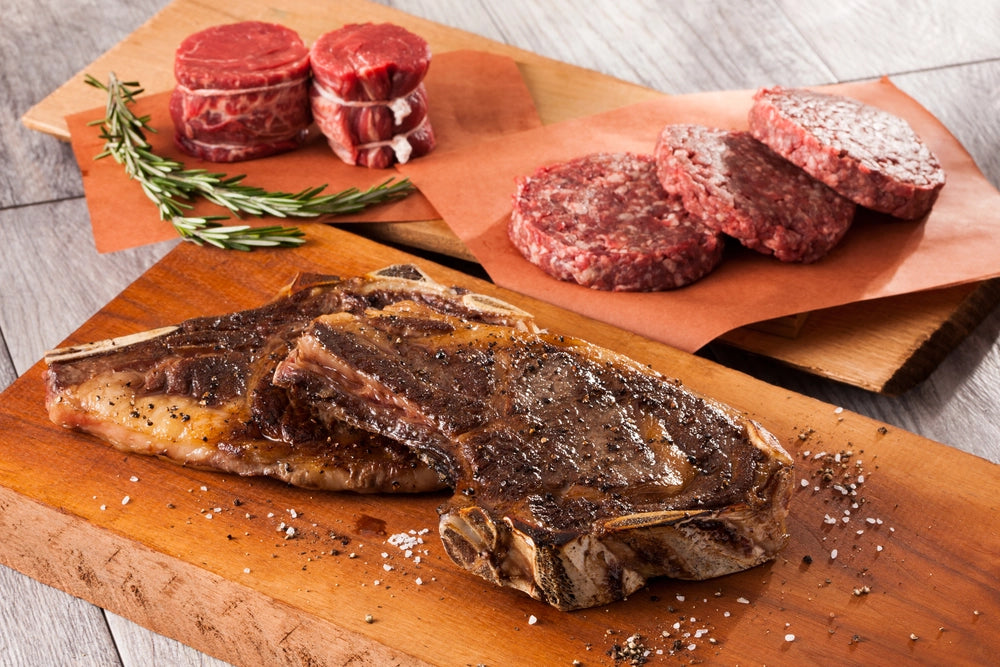
“The Skinny on Beef” is about stripping away the myths and looking at the facts, helping you understand how to choose, prepare, and enjoy beef in a way that is both healthy and delicious.
Understanding the Nutritional Powerhouse
When viewed through a nutritional lens, beef is far more than just a source of protein. It is a dense “superfood” of sorts, providing essential nutrients that are often difficult to obtain in sufficient quantities from plant-based sources alone. A standard serving of lean beef is an excellent source of Vitamin B12, which is vital for brain function and the formation of red blood cells, as well as Zinc, which supports a healthy immune system.
One of the most significant benefits of beef is its heme iron content. Unlike the non-heme iron found in spinach or legumes, heme iron is highly bioavailable, meaning the body absorbs it much more efficiently. For individuals prone to anemia or those with high activity levels, beef serves as a critical tool for maintaining energy levels. Additionally, beef contains creatine and beta-alanine, compounds that are highly valued by athletes for improving muscle performance and recovery.
The Lean Revolution: Choosing the Right Cuts
The term “skinny” in the context of beef often refers to selecting lean cuts that provide high protein with minimal caloric baggage. Many people avoid beef because they associate it with high levels of saturated fat, but the reality depends entirely on the cut you choose. According to government health standards, a “lean” cut of beef contains less than 10 grams of total fat and 4.5 grams or less of saturated fat per 3.5-ounce serving.
If you are looking to keep your meals light, focus on cuts from the “round” and “loin” sections. The eye of round roast, sirloin tip side steak, and top sirloin are all remarkably lean options. Even the classic tenderloin, while incredibly soft in texture, is relatively low in fat compared to a ribeye. When shopping for ground beef, look for labels marked 90/10 or 95/5, which indicate the percentage of lean meat to fat. These choices allow you to enjoy the flavor of beef without the heavy caloric load often associated with marbling.
Grass-Fed vs. Grain-Fed: The Great Debate
One of the most frequent questions in the modern butchery is whether the extra cost of grass-fed beef is worth it. To get the “skinny” on this, we have to look at the fat profiles. Grain-fed beef is typically more marbled (meaning it has more intramuscular fat), which leads to a buttery flavor and a very tender texture. This is often the preferred choice for high-end steakhouses.
On the other hand, grass-fed beef is generally leaner and has a different nutritional makeup. It typically contains up to five times as much Omega-3 fatty acids as grain-fed beef and is significantly higher in Conjugated Linoleic Acid (CLA), a type of fat that has been linked to various health benefits, including improved heart health. Furthermore, grass-fed beef is richer in precursors to Vitamin A and E. While the flavor can be more “gamey” or “grassy,” many health-conscious consumers find the nutritional trade-off to be well worth the adjustment in taste.
Mastering the Art of Lean Preparation
Cooking lean beef requires a slightly different approach than cooking fatty cuts. Because there is less fat to act as an insulator and lubricant, lean beef can become tough or dry if overcooked. The key to a perfect lean steak is precision.
For lean cuts like top sirloin, marinating is your best friend. An acidic marinade containing vinegar, citrus juice, or yogurt helps break down the muscle fibers, resulting in a more tender bite. When it comes to the actual cooking, “low and slow” or “fast and hot” are the two golden rules. For roasts, a slow cooker or low-temperature oven prevents the meat from tightening up. For steaks, a quick sear on a high-heat cast iron skillet ensures a flavorful crust while keeping the interior juicy. Using a meat thermometer is essential; removing lean beef from the heat at medium-rare (about 135°F or 57°C) ensures the best possible texture.
The Role of Beef in a Sustainable Diet
In recent years, the environmental impact of beef production has become a major topic of discussion. Getting the full story means looking at how cattle can play a role in regenerative agriculture. Cattle raised on well-managed pasture can actually help sequester carbon in the soil and promote biodiversity. By choosing beef from producers who practice rotational grazing and sustainable land management, consumers can support a food system that is more in harmony with nature. Moderation is also a key component of a “skinny” approach—viewing beef as a high-quality accent to a plate filled with colorful vegetables and whole grains, rather than the only item on the menu.
Conclusion
The “skinny” on beef is that it remains one of the most nutrient-dense foods available to us, provided we approach it with knowledge and intention. By selecting lean cuts, understanding the benefits of different raising methods, and mastering gentle cooking techniques, you can enjoy the rich flavors of beef while supporting your health goals.
Beef doesn’t have to be a “guilty pleasure.” When sourced responsibly and prepared with care, it is a versatile ingredient that fits perfectly into a modern, balanced diet. Whether it’s a perfectly seared sirloin on a weeknight or a slow-cooked round roast for a Sunday family dinner, beef provides the essential fuel our bodies need to thrive.