For centuries, winemaking was a skill passed down through generations, often shrouded in mystery and reserved for those with sprawling vineyards and deep cellars. Today, however, the craft has moved from the rolling hills of Bordeaux and Tuscany into the kitchens and basements of enthusiastic hobbyists. Home winemaking is a unique blend of culinary art, chemistry, and patience. It allows you to transform simple ingredients—fruit, sugar, and yeast—into a complex, living beverage that reflects your personal taste and dedication.
Starting your journey into home winemaking can be intimidating, but it is one of the most rewarding hobbies a person can undertake. Beyond the thrill of popping a cork on a bottle you made yourself, it offers a deep connection to the natural world and the ancient traditions of fermentation.
Understanding the Basics of Fermentation
At its core, winemaking is the process of fermentation, where yeast consumes sugar and converts it into alcohol and carbon dioxide. While grapes are the most traditional base due to their natural balance of sugar, acid, and tannins, home winemakers are not limited to them. You can produce stunning wines from blackberries, strawberries, dandelions, or even honey (which creates a beverage known as mead).
The key to a successful fermentation lies in creating an environment where “good” yeast can thrive while “bad” bacteria are kept at bay. This is why cleanliness is the first and most important rule of winemaking. Every piece of equipment that touches your wine—from the fermentation bucket to the smallest spoon—must be thoroughly sanitized. A single stray bacterium can turn a promising batch of wine into a gallon of expensive vinegar.
Essential Equipment for the Home Vintner
You do not need a commercial-grade facility to make great wine, but you do need a few specialized tools. Most beginners start with a basic winemaking kit, which typically includes:
- Primary Fermenter: Usually a food-grade plastic bucket with a lid. This is where the initial, vigorous fermentation takes place.
- Carboy: A glass or PET plastic jug used for secondary fermentation and aging. Its narrow neck minimizes the wine’s exposure to oxygen.
- Airlock: A small device that fits into the top of your fermenter. It allows carbon dioxide to escape while preventing oxygen and fruit flies from entering.
- Hydrometer: A glass instrument used to measure the specific gravity of the liquid. This tells you how much sugar is present and helps you calculate the final alcohol content.
- Siphon and Tubing: Used for “racking,” which is the process of moving the wine from one container to another while leaving the sediment (lees) behind.
Investing in these basics ensures that you have the control necessary to produce a consistent and high-quality product.
Selecting Your Ingredients: Beyond the Grape
If you are new to the hobby, using a wine kit—which includes concentrated grape juice from world-class regions—is a fantastic way to learn the process with a high guarantee of success. However, many hobbyists eventually want to “forage” their own ingredients.
When choosing fruit for wine, ripeness is paramount. Underripe fruit will lack the necessary sugars and may be too acidic, while overripe fruit can introduce rot. If you are making fruit wine, you will often need to add supplemental sugar (to reach the desired alcohol level) and acid blend (to provide balance). Tannins, which provide the “structure” and mouthfeel of a wine, can also be added via grape tannin powder or even strongly brewed tea.
The Winemaking Process: Step by Step
The journey from fruit to bottle generally follows a predictable path. First is the Primary Fermentation. After crushing your fruit and adding water, sugar, and nutrients, you “pitch” the yeast. Over the next 5 to 7 days, the mixture will bubble intensely as the yeast works its magic.
Next comes Secondary Fermentation and Racking. Once the initial fury subsides, you siphon the liquid into a carboy, leaving the heavy solids behind. This stage is much slower and can take several weeks or months. During this time, the wine begins to clear, and the flavors start to meld. You may “rack” the wine several times over the coming months to ensure the final product is crystal clear.
The final stage is Aging and Bottling. Once the wine is stable and clear, it is siphoned into bottles and corked. While it is tempting to drink it immediately, most wines benefit significantly from aging. A few months in the bottle can soften harsh acids and allow complex aromas to develop.
The Role of Patience and Record Keeping
If there is one “secret ingredient” in home winemaking, it is patience. Unlike brewing beer, which can be ready in a few weeks, wine often takes six months to a year to reach its potential. It is a hobby that encourages you to slow down and appreciate the passage of time.
Furthermore, successful winemakers are meticulous record-keepers. Keeping a “cellar log” where you note the starting gravity, the temperature of the room, the type of yeast used, and the dates of each racking is invaluable. If a batch turns out perfectly, your notes will tell you exactly how to replicate it. If a batch fails, your notes will help you troubleshoot what went wrong.
Conclusion
Home winemaking is a captivating pursuit that sits at the intersection of nature and craft. It rewards the diligent and provides a unique sense of accomplishment that few other hobbies can match. By understanding the science of fermentation, maintaining a sterile environment, and respecting the time required for aging, you can produce wines that rival those found on commercial shelves.
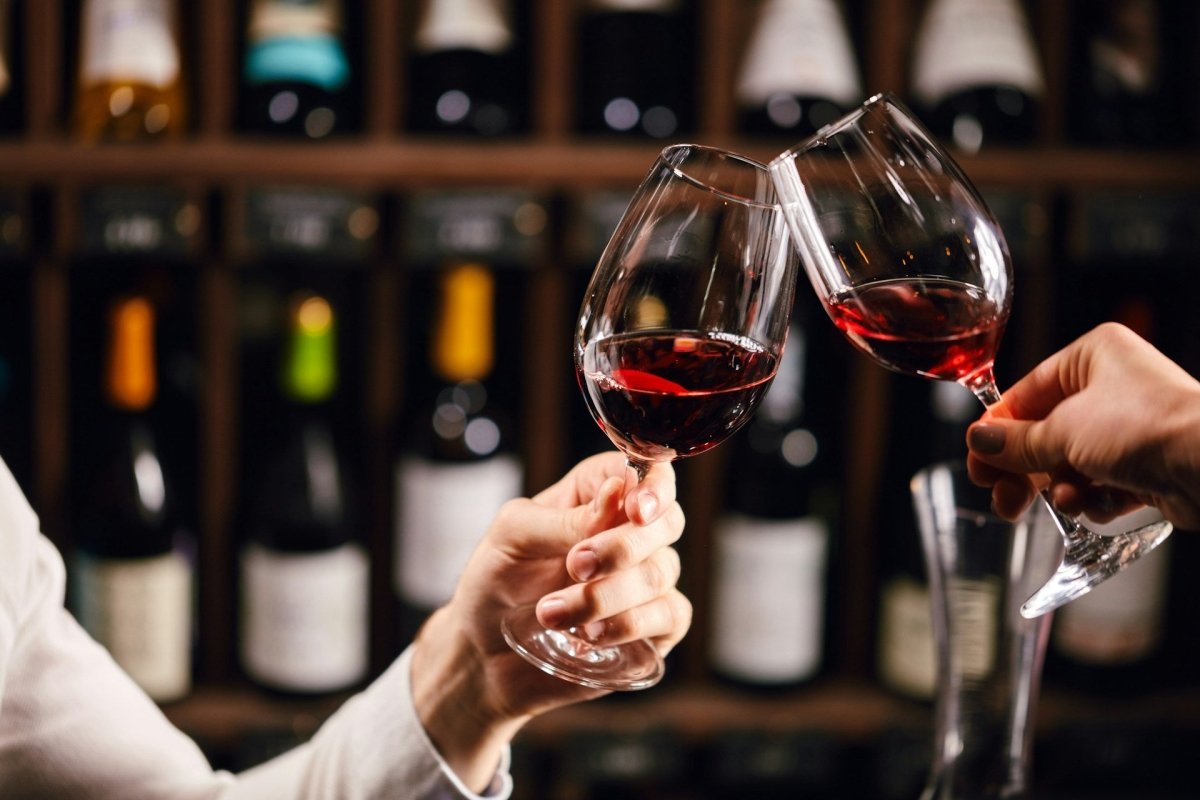
Whether you are dreaming of a crisp summer peach wine or a bold, oaky Cabernet, the journey begins with a single batch. As you refine your skills and develop your palate, you will find that the best part of winemaking isn’t just the drink itself—it’s the joy of sharing a bottle of your own creation with friends and family.